Parking on footpaths
Restrictions on leaving a vehicle on paths used by pedestrians.
Last reviewed by NSW Parking Rules editorial team:
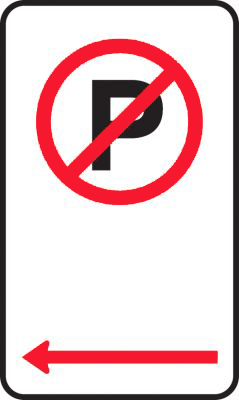
Parking on a footpath is generally not allowed unless a sign, marked bay or local arrangement permits it.
If this rule is connected to a fine
Overview
Footpath parking can block people walking, using prams, mobility aids or wheelchairs. Even partial parking on the path may create an issue.
What the rule means
Parking on a footpath is generally not allowed unless a sign, marked bay or local arrangement permits it.
Practical details
Official detail
Footpaths are for pedestrian movement, including people using wheelchairs, mobility aids and prams. Partial kerb mounting can still create an obstruction.
What to check on the street
If any wheel is on the paved pedestrian path, look for a marked bay or sign that clearly permits that parking arrangement.
Everyday example
Parking half on the footpath to help cars pass on a narrow street may simply move the hazard onto pedestrians.
First checks to make on the street
- Read the nearest sign face, including arrows, days and times.
- If any wheel is on the paved pedestrian path, look for a marked bay or sign that clearly permits that parking arrangement.
- A wheel is on the footpath.
- Do not rely on this common shortcut: thinking two wheels on the path is acceptable.
When the rule applies
- A wheel is on the footpath.
- The vehicle blocks pedestrian access.
- There is no sign or marked bay permitting footpath parking.
Examples
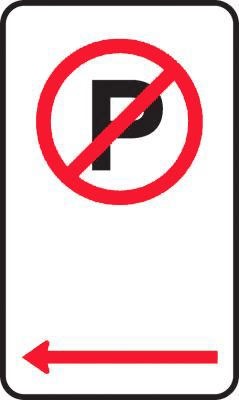
- Mounting the kerb in a narrow street.
- Parking partly on a footpath to leave road space.
- Stopping on a paved verge used by pedestrians.
Common mistakes
- Thinking two wheels on the path is acceptable.
- Following what other parked cars are doing.
- Confusing a nature strip with a marked parking area.
Exceptions
- Some councils sign or mark specific areas differently.
- Emergency and authorised work vehicles may be treated differently.
- Marked parking bays should be read with nearby signs.
Fines and penalties
Possible penalties depend on the current offence code, location, time and evidence. Check the notice itself and official NSW sources.
What to do if you receive a fine
Read the notice, check the sign and location details, gather photos or permits, then decide whether to pay or request a review.
- Check whether the notice names Parking on footpaths or a related offence.
- Compare the notice time and location with photos of the sign, road marking or kerb layout.
- Keep any permit, ticket, payment record, loading record or written authority if it changes the answer.
- Use Revenue NSW or the authority named on the notice for payment and review steps.
Related parking rules
Related parking signs
Official sources
Use these official sources to confirm the current rule, fine amount, sign wording or local council condition before relying on a parking decision.
- Transport for NSW
Official transport guidance and road user information for New South Wales.
- Relevant local council
Use the council finder to confirm local permits, parking meters and enforcement practices.
General information only.
This guide is independent and does not replace NSW legislation, the sign at the kerb, your penalty notice or advice from the relevant authority.