Parking safety checks
Checks before leaving, opening doors or pulling out from a parked position.
Last reviewed by NSW Parking Rules editorial team:
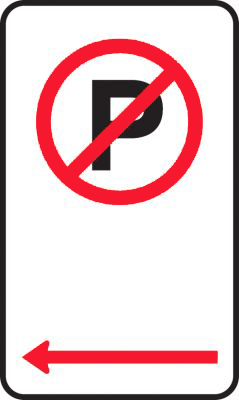
Safe parking includes securing the vehicle, checking mirrors and blind spots, and never leaving children or animals unattended.
If this rule is connected to a fine
Overview
Parking safety is not only about the sign. Drivers also need to secure the vehicle, avoid dooring pedestrians or riders, and check carefully before re-entering traffic.
What the rule means
Safe parking includes securing the vehicle, checking mirrors and blind spots, and never leaving children or animals unattended.
Practical details
Official detail
Parking safety includes securing the vehicle, checking before opening doors, and taking care when leaving or re-entering traffic.
What to check on the street
Before walking away, check the handbrake, windows, keys, children, animals, door swing and traffic around the vehicle.
Everyday example
The safest parking choice can still become dangerous if a door is opened into a cyclist's path.
First checks to make on the street
- Read the nearest sign face, including arrows, days and times.
- Before walking away, check the handbrake, windows, keys, children, animals, door swing and traffic around the vehicle.
- You leave the vehicle unattended.
- Do not rely on this common shortcut: treating parking as finished once the vehicle stops.
When the rule applies
- You leave the vehicle unattended.
- You open a door into a road or shared area.
- You pull out from the kerb or a parking area.
Examples
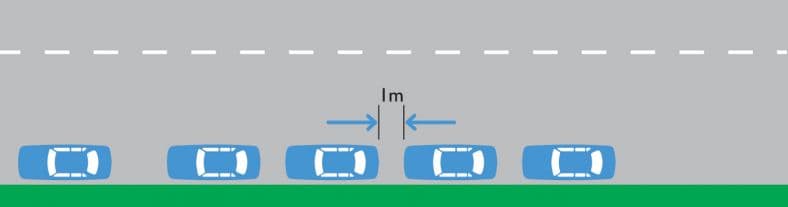
- Walking away without locking an unattended vehicle.
- Opening a door without checking for bicycles.
- Pulling out from the kerb without indicating or checking blind spots.
- Leaving a child or animal alone in the vehicle.
Common mistakes
- Treating parking as finished once the vehicle stops.
- Only checking mirrors and not blind spots.
- Assuming a short errand is safe for children or pets left inside.
Exceptions
- Emergency situations may require different immediate actions.
- Vehicle security and child safety obligations should be checked against current law.
- Authorised directions can change what is safe or required at the scene.
Fines and penalties
Possible penalties depend on the current offence code, location, time and evidence. Check the notice itself and official NSW sources.
What to do if you receive a fine
Read the notice, check the sign and location details, gather photos or permits, then decide whether to pay or request a review.
- Check whether the notice names Parking safety checks or a related offence.
- Compare the notice time and location with photos of the sign, road marking or kerb layout.
- Keep any permit, ticket, payment record, loading record or written authority if it changes the answer.
- Use Revenue NSW or the authority named on the notice for payment and review steps.
Related parking rules
Related parking signs
Official sources
Use these official sources to confirm the current rule, fine amount, sign wording or local council condition before relying on a parking decision.
- Transport for NSW
Official transport guidance and road user information for New South Wales.
- NSW legislation
Official NSW legislation source for road rules and statutory instruments.
General information only.
This guide is independent and does not replace NSW legislation, the sign at the kerb, your penalty notice or advice from the relevant authority.