Timed parking
1P, 2P, 4P and other time-limited parking signs.
Last reviewed by NSW Parking Rules editorial team:
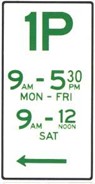
Timed parking signs limit how long a vehicle can stay while the sign applies.
If this rule is connected to a fine
Overview
A time limit such as 1P or 2P usually describes the maximum parking period. The operating hours, meter rules, ticket instructions and permit exceptions can change the practical answer.
What the rule means
Timed parking signs limit how long a vehicle can stay while the sign applies.
Practical details
Official detail
Timed parking signs such as 1P, 2P or 4P show the maximum time a vehicle may stay while the restriction operates.
What to check on the street
Check the day, time, arrows and whether the sign is part of a metered, ticket, phone or permit system.
Everyday example
Moving the car a few metres within the same controlled area may not reset the practical risk if the intent is to overstay the signed limit.
First checks to make on the street
- Read the nearest sign face, including arrows, days and times.
- Check the day, time, arrows and whether the sign is part of a metered, ticket, phone or permit system.
- A time-limited sign applies.
- Do not rely on this common shortcut: reading 2p as a starting time.
When the rule applies
- A time-limited sign applies.
- The vehicle remains in the same parking area.
- The operating hours on the sign are active.
- A meter, ticket, phone or coupon panel adds a payment instruction.
Examples
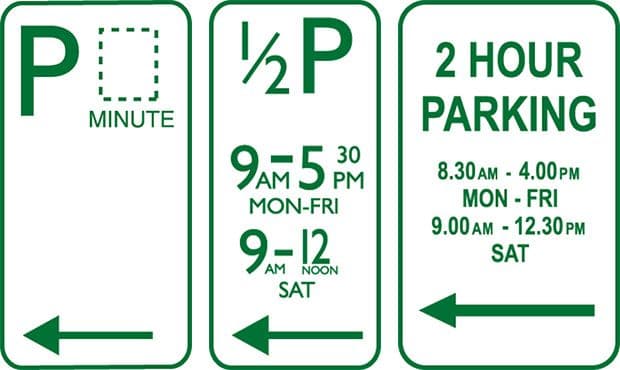
- Parking in a 2P area for more than two hours.
- Moving only a few metres inside the same timed area.
- Ignoring paid parking instructions attached to a timed sign.
- Using a 2P meter bay without paying during meter hours.
Common mistakes
- Reading 2P as a starting time.
- Missing weekday or weekend panels.
- Thinking moving the car slightly always resets time.
- Assuming a time limit means the space is free.
Exceptions
- Permit holders may be excepted where the sign says so.
- Meter rules can add payment requirements.
- Some disability permit concessions may apply and must be verified.
Fines and penalties
Possible penalties depend on the current offence code, location, time and evidence. Check the notice itself and official NSW sources.
What to do if you receive a fine
Read the notice, check the sign and location details, gather photos or permits, then decide whether to pay or request a review.
- Check whether the notice names Timed parking or a related offence.
- Compare the notice time and location with photos of the sign, road marking or kerb layout.
- Keep any permit, ticket, payment record, loading record or written authority if it changes the answer.
- Use Revenue NSW or the authority named on the notice for payment and review steps.
Related parking rules
Related parking signs
Official sources
Use these official sources to confirm the current rule, fine amount, sign wording or local council condition before relying on a parking decision.
- Transport for NSW
Official transport guidance and road user information for New South Wales.
- Revenue NSW
Official source for penalty notices, fine payment and review processes.
- Relevant local council
Use the council finder to confirm local permits, parking meters and enforcement practices.
General information only.
This guide is independent and does not replace NSW legislation, the sign at the kerb, your penalty notice or advice from the relevant authority.