Double parking
Stopping beside another parked vehicle or obstructing traffic.
Last reviewed by NSW Parking Rules editorial team:
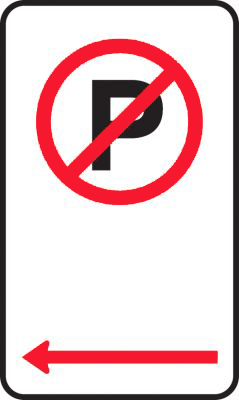
Double parking can obstruct traffic and is generally not permitted.
If this rule is connected to a fine
Overview
Double parking creates conflicts for passing vehicles, cyclists and people entering or leaving parked cars. It can apply even when the stop is brief.
What the rule means
Double parking can obstruct traffic and is generally not permitted.
Practical details
Official detail
Double parking means stopping beside another parked vehicle or obstruction rather than at the kerb, which can block traffic and cyclists.
What to check on the street
If your car is not next to the kerb or inside a marked bay, assume the stop needs extra scrutiny.
Everyday example
Putting hazard lights on while waiting beside parked cars does not turn the lane into a legal waiting area.
First checks to make on the street
- Read the nearest sign face, including arrows, days and times.
- If your car is not next to the kerb or inside a marked bay, assume the stop needs extra scrutiny.
- You stop beside a parked vehicle.
- Do not rely on this common shortcut: using hazard lights as a substitute for legal parking.
When the rule applies
- You stop beside a parked vehicle.
- Your vehicle blocks a lane or traffic flow.
- You wait for a passenger away from the kerb.
Examples
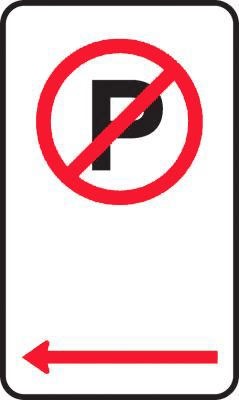
- Stopping beside parked cars outside a shop.
- Waiting beside a school pick-up line.
- Blocking a lane while loading goods.
Common mistakes
- Using hazard lights as a substitute for legal parking.
- Assuming a passenger pick-up is always allowed.
- Stopping because no parking space is available.
Exceptions
- Traffic directions or emergency circumstances can alter the position.
- Some authorised service activity may be handled differently.
- Marked loading arrangements should be checked separately.
Fines and penalties
Possible penalties depend on the current offence code, location, time and evidence. Check the notice itself and official NSW sources.
What to do if you receive a fine
Read the notice, check the sign and location details, gather photos or permits, then decide whether to pay or request a review.
- Check whether the notice names Double parking or a related offence.
- Compare the notice time and location with photos of the sign, road marking or kerb layout.
- Keep any permit, ticket, payment record, loading record or written authority if it changes the answer.
- Use Revenue NSW or the authority named on the notice for payment and review steps.
Related parking rules
Related parking signs
Official sources
Use these official sources to confirm the current rule, fine amount, sign wording or local council condition before relying on a parking decision.
- Transport for NSW
Official transport guidance and road user information for New South Wales.
- NSW legislation
Official NSW legislation source for road rules and statutory instruments.
General information only.
This guide is independent and does not replace NSW legislation, the sign at the kerb, your penalty notice or advice from the relevant authority.