Mail zones
Areas reserved for postal vehicles and mail collection access.
Last reviewed by NSW Parking Rules editorial team:
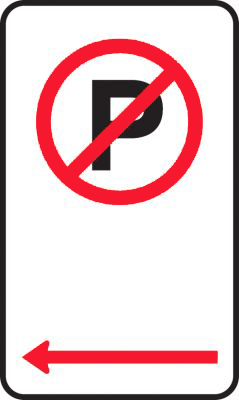
Mail zones are reserved for mail-related vehicle access while the sign applies.
If this rule is connected to a fine
Overview
Mail zones protect access for postal operations and collection boxes. They are not general short-term parking spaces.
What the rule means
Mail zones are reserved for mail-related vehicle access while the sign applies.
Practical details
Official detail
Postal vehicles need space around post boxes and mail collection points. NSW guidance also includes clearance distances around post boxes.
What to check on the street
Check signs near the post box and leave enough room for collection vehicles to stop and work safely.
Everyday example
A quick stop beside a mailbox can block the collection vehicle even if the rest of the kerb looks empty.
First checks to make on the street
- Read the nearest sign face, including arrows, days and times.
- Check signs near the post box and leave enough room for collection vehicles to stop and work safely.
- A Mail Zone sign applies.
- Do not rely on this common shortcut: assuming short stops are too minor to matter.
When the rule applies
- A Mail Zone sign applies.
- The sign includes active times.
- The kerb area is reserved for postal operations.
Examples
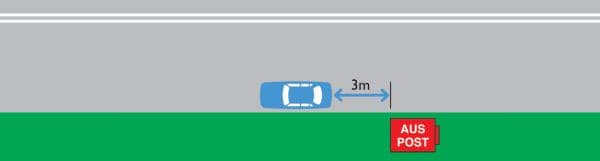
- Stopping beside a post office mailbox.
- Parking in a mail zone outside a shopping strip.
- Using a mail zone for quick personal errands.
Common mistakes
- Assuming short stops are too minor to matter.
- Missing sign arrows.
- Ignoring alternate restrictions outside mail zone hours.
Exceptions
- Posted time panels may limit operation.
- Authorised postal vehicles may be permitted.
- Temporary official controls can alter access.
Fines and penalties
Possible penalties depend on the current offence code, location, time and evidence. Check the notice itself and official NSW sources.
What to do if you receive a fine
Read the notice, check the sign and location details, gather photos or permits, then decide whether to pay or request a review.
- Check whether the notice names Mail zones or a related offence.
- Compare the notice time and location with photos of the sign, road marking or kerb layout.
- Keep any permit, ticket, payment record, loading record or written authority if it changes the answer.
- Use Revenue NSW or the authority named on the notice for payment and review steps.
Related parking rules
Related parking signs
Official sources
Use these official sources to confirm the current rule, fine amount, sign wording or local council condition before relying on a parking decision.
- Transport for NSW
Official transport guidance and road user information for New South Wales.
- Relevant local council
Use the council finder to confirm local permits, parking meters and enforcement practices.
General information only.
This guide is independent and does not replace NSW legislation, the sign at the kerb, your penalty notice or advice from the relevant authority.