Parking near fire hydrants
Access rules around fire hydrants, indicators and fire plugs.
Last reviewed by NSW Parking Rules editorial team:
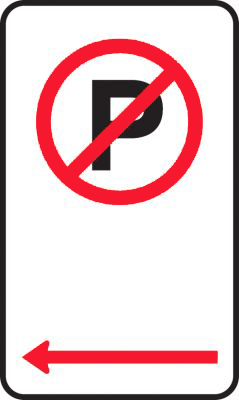
You should not park where your vehicle blocks fire hydrant or fire plug access.
If this rule is connected to a fine
Overview
Emergency services need clear access to hydrants, indicators and fire plugs. The restriction can apply even when the kerb does not look like a typical no-parking zone.
What the rule means
You should not park where your vehicle blocks fire hydrant or fire plug access.
Practical details
Official detail
Hydrants, fire plugs and indicators need clear access for emergency services. The marker can be smaller than a typical parking sign.
What to check on the street
Look down as well as up: check kerb markings, covers, plates and nearby indicator posts before leaving the vehicle.
Everyday example
A car parked over a hydrant cover can delay firefighters even though it does not block ordinary traffic.
First checks to make on the street
- Read the nearest sign face, including arrows, days and times.
- Look down as well as up: check kerb markings, covers, plates and nearby indicator posts before leaving the vehicle.
- A fire hydrant, hydrant indicator or fire plug indicator is nearby.
- Do not rely on this common shortcut: missing small indicator plates.
When the rule applies
- A fire hydrant, hydrant indicator or fire plug indicator is nearby.
- Your vehicle could block emergency access.
- A sign or marking gives a specific clearance.
Examples
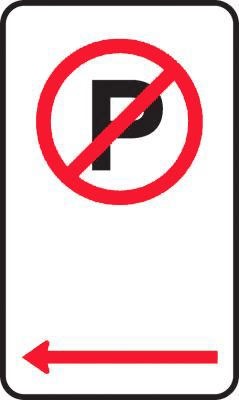
- Parking over a hydrant cover.
- Stopping beside a fire plug indicator plate.
- Leaving a vehicle where firefighters would need to work around it.
Common mistakes
- Missing small indicator plates.
- Assuming a short stop is harmless.
- Only checking for parking signs and not emergency access points.
Exceptions
- Emergency vehicles may operate differently.
- Authorised works may have temporary controls.
- A marked parking bay should still be checked against nearby emergency access.
Fines and penalties
Possible penalties depend on the current offence code, location, time and evidence. Check the notice itself and official NSW sources.
What to do if you receive a fine
Read the notice, check the sign and location details, gather photos or permits, then decide whether to pay or request a review.
- Check whether the notice names Parking near fire hydrants or a related offence.
- Compare the notice time and location with photos of the sign, road marking or kerb layout.
- Keep any permit, ticket, payment record, loading record or written authority if it changes the answer.
- Use Revenue NSW or the authority named on the notice for payment and review steps.
Related parking rules
Related parking signs
Official sources
Use these official sources to confirm the current rule, fine amount, sign wording or local council condition before relying on a parking decision.
- Transport for NSW
Official transport guidance and road user information for New South Wales.
- NSW legislation
Official NSW legislation source for road rules and statutory instruments.
General information only.
This guide is independent and does not replace NSW legislation, the sign at the kerb, your penalty notice or advice from the relevant authority.