Stopping and parking
The general difference between stopping, waiting and parking.
Last reviewed by NSW Parking Rules editorial team:
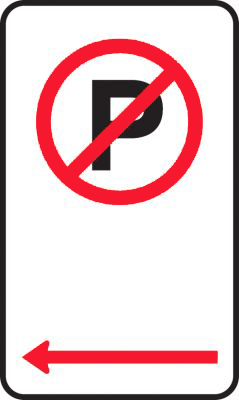
Stopping and parking rules depend on the sign, road marking, location and whether the vehicle is left unattended.
If this rule is connected to a fine
Overview
A driver may be stopped without being parked, but many NSW rules still restrict stopping itself. This is why No Stopping, clearways and safety zones can be stricter than ordinary parking limits.
What the rule means
Stopping and parking rules depend on the sign, road marking, location and whether the vehicle is left unattended.
Practical details
Official detail
NSW rules treat stopping and parking differently. Some restrictions ban stopping altogether, while others allow a short stop but not leaving the vehicle parked.
What to check on the street
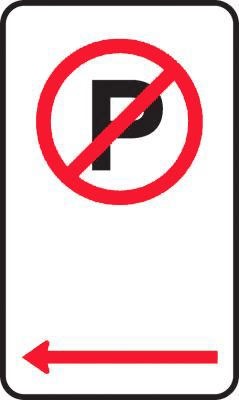
Read the strongest control first: No Stopping, Clearway and safety distance rules can override what feels like ordinary kerbside parking.
Everyday example
Keeping the engine running does not automatically make a stop legal if the rule bans stopping in that location.
First checks to make on the street
- Read the nearest sign face, including arrows, days and times.
- Read the strongest control first: No Stopping, Clearway and safety distance rules can override what feels like ordinary kerbside parking.
- You bring a vehicle to rest at the kerb.
- Do not rely on this common shortcut: thinking the engine running means the vehicle is not parked.
When the rule applies
- You bring a vehicle to rest at the kerb.
- You wait in a traffic-sensitive area.
- You leave a vehicle standing on a road or road-related area.
Examples
- Waiting with the engine running.
- Stopping for a passenger.
- Leaving a vehicle beside the kerb while visiting a shop.
Common mistakes
- Thinking the engine running means the vehicle is not parked.
- Assuming the driver staying inside makes the stop legal.
- Checking only painted lines and not signs.
Exceptions
- Traffic, safety and emergency situations can change the answer.
- Authorised directions can override ordinary parking controls.
- Specific vehicle classes may have limited exemptions.
Fines and penalties
Possible penalties depend on the current offence code, location, time and evidence. Check the notice itself and official NSW sources.
What to do if you receive a fine
Read the notice, check the sign and location details, gather photos or permits, then decide whether to pay or request a review.
- Check whether the notice names Stopping and parking or a related offence.
- Compare the notice time and location with photos of the sign, road marking or kerb layout.
- Keep any permit, ticket, payment record, loading record or written authority if it changes the answer.
- Use Revenue NSW or the authority named on the notice for payment and review steps.
Related parking rules
Related parking signs
Official sources
Use these official sources to confirm the current rule, fine amount, sign wording or local council condition before relying on a parking decision.
- Transport for NSW
Official transport guidance and road user information for New South Wales.
- NSW legislation
Official NSW legislation source for road rules and statutory instruments.
General information only.
This guide is independent and does not replace NSW legislation, the sign at the kerb, your penalty notice or advice from the relevant authority.